Old Time Thomistic Metaphysics
By Fr. Jerry Pokorsky ( bio - articles - email ) | Dec 09, 2025
From our morning coffee routine to scientific research, we are a bundle of habits. Good habits are virtues; bad habits are vices. Whether good or bad, our habits govern the faculties of our souls and shape our emotions. At times, vices intermingle with virtues like poison ivy hidden among flourishing foliage. Healthy introspection, aided by God’s grace, helps us identify and distinguish our virtues from our vices. The classic teachings of St. Thomas Aquinas, rooted in the wisdom of the great pagan philosophers, provide a stable framework for self-understanding.
The Incarnation of God’s Word in the Person of Jesus affirms both the dignity of God’s creation and our dignity as embodied spirits. We possess both a body and a soul, and the body is integral to the soul. Indeed, we often speak of the body as the sacrament of the soul. The separation of body and soul at death is unnatural, for God did not create us to die. Death is the consequence of sin. The Resurrection of the Body restores the fullness of our humanity at the end of time in union with the resurrected Jesus.
Intellect, Will, Memory, and Imagination
The faculties of the soul—intellect and will—assisted by memory and imagination, govern human life. A healthy intellect, governed by the virtue of prudence, seeks truth and rejects falsehood. A healthy will, governed by justice, chooses what is genuinely good and rejects evil. Conscience is the voice of God speaking within the intellect and will. A well-formed conscience listens to the authentic teaching of the Church, and the intellect and will respond accordingly.
Memory is the handmaiden of the intellect. Like computer memory, a well-formed and ample memory allows us to think clearly and gather sufficient evidence for sound conclusions. Imagination is the handmaiden of the will. A well-formed imagination helps us foresee the likely consequences of our choices. President Kennedy expressed such imaginative vision when he declared, “Before this decade is out, we will land a man on the moon and return him safely to the earth.” His vision animated a nation.
The Emotions
Our emotions are incarnational because they bridge the soul and the body. Our desire for food and other comforts is healthy and normal. We have natural—though often tumultuous—sexual inclinations. Temperance regulates our passions and pleasures, preventing excess. The virtue of fortitude, or courage, governs our volatile emotions such as fear and anger. Healthy anger sharpens our focus, strengthens our resolve for justice, and gives us the bodily stamina necessary to complete good actions.
The Four Cardinal Virtues
Prudence, justice, temperance, and fortitude are the four cardinal virtues. Informed by a good conscience and elevated by God’s grace, they form virtuous minds, virtuous actions, and virtuous appetites—nutritional, sexual, and otherwise. From them emerge intellectual integrity, good study habits, competent craftsmen, good parents, just employers, honest workers, and more. When a critical mass of virtuous integrity is present, nations are healthy, and national policies are honest and just.
Yet we have not achieved heaven on earth.
The Seven Deadly Sins
Original sin weakens us and inclines us to evil. Bad habits intermingle with good ones. We traditionally cluster them around the seven deadly sins: pride, greed, lust, envy, gluttony, wrath, and sloth. Prudence is the lovely queen of virtues. Pride is the ugly queen of vice. Justice renders to others their due. Greed is absorbed in entitlement and theft. Temperance regulates our appetites. Gluttony and lust distort and choke our natural, good desires. Courage directs our volatile but useful emotions. Wrath and sloth undermine the healthy purposes of anger, fear, and daring.
Unrestrained vices quickly take on ideological form. Ideologies are destructive because they are unhinged from reality. Marxist ideology imagines perpetual conflict culminating in a “classless society” that can never exist. Capitalist ideology envisions the supremacy of capital over labor. (Catholic social teaching is incarnational, recognizing the essential complementarity of human labor and capital.) The modern LGBTQ ideology redefines biology, marriage, and the human person by severing the unity of body and soul. Unrestrained wrath dehumanizes enemies. Such ideological patterns are prescriptive fantasies rather than reflections of created reality.
Christianity also prescribes a way of life, but it is rooted in the concrete reality of God and man united in Jesus. Catholics, however, are not immune to ideological distortions. Every thoughtful person recognizes the continuing need to examine and recalibrate his moral habits.
Most of us work within organizations that blend good and evil intentions. Usually, this presents no moral threat if we avoid cooperating with wrongdoing. At times, however, conscience may compel us to step away—by resigning, conscientiously objecting, or even blowing the whistle.
Breaking Bad Habits
There are also moments when we painfully recognize that we have been living a lie—whether in sweeping matters of justice or in quiet patterns within our own homes. History shows how quickly people can rationalize even deeply dehumanizing wrongdoing.
Sweetness and encouragement often persuade more effectively than severity. We may need priestly “lambs in the confessional” to forgive sins when the higher faculties of our soul—intellect, free will, memory, and imagination—are malfunctioning. We may need wise psychological counseling when our emotions are out of control. And we may need a doctor’s care when our bodies need repair. Yet deeply ingrained vices sometimes require a jarring correction. Prudence, animated by God’s grace, determines whether a gentle word or a sharp one is necessary for true correction. The gifts of the Holy Spirit come in many packages.
The lionlike voice of John the Baptist still cuts through our self-deception:
You brood of vipers! Who warned you to flee from the wrath to come? Bear fruit that befits repentance… Every tree therefore that does not bear good fruit is cut down and thrown into the fire. (Mt 3:7–10)
John’s words are unsettling, but they are merciful. They awaken us to reality, challenge the false guides we have accepted, and redirect us to the path of virtue in Jesus—a path that leads to life and happiness.
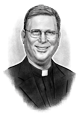
Fr. Jerry Pokorsky is a priest of the Diocese of Arlington who has also served as a financial administrator in the Diocese of Lincoln. Trained in business and accounting, he also holds a Master of Divinity and a Master’s in moral theology. Father Pokorsky co-founded both CREDO and Adoremus, two organizations deeply engaged in authentic liturgical renewal. He writes regularly for a number of Catholic websites and magazines. See full bio.
All comments are moderated. To lighten our editing burden, only current donors are allowed to Sound Off. If you are a current donor, log in to see the comment form; otherwise please support our work, and Sound Off!