Sleep and the Beatitudes
By Fr. Jerry Pokorsky ( bio - articles - email ) | Feb 02, 2026
Since we spend a quarter to a third of our lives asleep, one would think that Scriptures would help us understand the mystery of sleep. It does. The beatitudes are virtues brought to perfection by the Gifts of the Holy Spirit, the crown jewel of discipleship. Among them is: “Blessed are the peacemakers, for they shall be called sons of God.” (Matthew 5:9) The peace of sleep becomes a kind of final beatitude, a daily reminder of God’s desire to give us rest from our toil.
From the beginning of Scripture, sleep is a pleasing metaphor for inescapable death. Moses is told that he will “sleep with his fathers.” (Deuteronomy 31:16) David “slept with his fathers” and was buried. (I Kings 2:10) Daniel speaks of those who “sleep in the dust of the earth.” But not all sleep is peaceful: “some to everlasting life, and some to shame and everlasting contempt.” (Daniel 12:2) Every night, we rehearse our own passing, surrendering our control, consciousness, and strength, trusting that we will awaken again.
Scripture also describes sleep as a sign of divine protection and a peaceful conscience. “In peace I will both lie down and sleep, for you alone, O Lord, make me dwell in safety.” (Psalm 4:8) Upright living brings rest (Isaiah 57:2). Honest labor produces sweet sleep (Ecclesiastes 5:12). Trust in God gives courage even amid storms—so much so that Jesus Himself sleeps in a boat tossed by waves. At the same time, His disciples panic (Matthew 8:23-26). We sleep in peace because we know Who is in charge.
Sleep is also a place of mysterious encounters. God meets His people in sleep, sometimes through dread and darkness, sometimes through overwhelming glory. Abram falls into a deep and terrifying darkness before God seals His covenant (Genesis 15:12). Daniel collapses into sleep before the weight of divine revelation (Daniel 10:8-9). St. Joseph, warned by an angel in a dream of Herod’s wrath, wakes and obeys (Matthew 1:24). Even in our unconsciousness, God speaks. Even when we are passive, He is active. Sleep is God’s gift to us. We cannot avoid sleep.
At times, sleep is a sign of vice. “How long will you lie there, O sluggard? When will you arise from your sleep?” (Proverbs 6:9) “A son who gathers in summer is prudent, but a son who sleeps in harvest brings shame.” (Proverbs 10:5) “Slothfulness casts into a deep sleep, and an idle person will suffer hunger.” (Proverbs 19:15) Jesus gently rebukes the apostles when they sleep during His Agony in the Garden. Sleep itself is good, but disordered desire for sleep—or disordered living that destroys it—becomes a spiritual problem.
Sleeplessness also carries spiritual meaning. Scripture recognizes that wakefulness can be driven by anxiety, illness, or trauma. “Wakeful anxiety prevents slumber” (Sirach 31:2) Those who have escaped danger may find their sleep haunted by fearful nightmares. Restlessness is not always a moral failure; sometimes it is the body and soul bearing wounds. “A severe illness carries off sleep.” (Sirach 31:2)
Sleeplessness may also reveal sinful disorders. “There is anger and envy and trouble and unrest, and fear of death, and fury and strife. And when one rests upon his bed, his sleep at night confuses his mind.” (Sirach 40:5) “It is in vain that you rise up early and go late to rest [without God], eating the bread of anxious toil; for he gives to his beloved sleep. (Psalm 127:2)
But there is a kind of sleep we must resist: the sleep of spiritual laziness, forgetfulness, and complacency. “Let us not sleep as others do, but let us keep awake and be sober.” (1 Thessalonians 5:6) Sleep should not come before duty, repentance, or a conscious surrender to God. Before we sleep, we remember our sins and recite the Act of Contrition, anticipating the day we wake up to meet the Lord. Maybe begin a rosary, drift off to pleasant dreams, and allow your guardian angel to finish your prayers.
Jesus refers to Lazarus’s death as sleep, a condition from which He will awaken his friend. In Jesus, sleep no longer ends in darkness—even if we die in our sleep—but opens into light. “We shall all be changed, in a moment, in the twinkling of an eye, at the last trumpet… the dead will be raised imperishable, and we shall be changed.” (1 Corinthians 15:51-52) The fundamental meaning of sleep is its connection to death and resurrection in Jesus.
During Mass, in the Roman Canon, the Church prays that our days be ordered in peace and that those who “sleep in Christ” may receive refreshment, light, and peace. The Sacred Liturgy places our daily rest, our final rest, and our eternal hope into the same offering. Sleep helps us understand that this world is coming to an end as we await a new heaven and a new earth.
Death is inevitable; get over it. God will meet us in dread and darkness, in glory, and even in dreams. Sleeplessness may come from anxiety, illness, or trauma, and should be met with compassion. But we must also resist the sins that destroy healthy rest: anger, envy, unrest, fear, godlessness, neglect of duty, idleness, excess, irregular living, and gluttony. Sleep in God’s peace—rely on Him, work honestly, live courageously, and trust Him in faith. Sleep not until our duties are finished and our hearts resolved to rest in the Lord.
And yes—while we’re at it, Mr. Hippopotamus—cover your mouth when you yawn.
Purified of evil, sleep is more than a biological necessity. It is a sign of peace, a daily surrender, and an expression of the beatitude of heaven, where all who sleep in Christ will awaken into eternal life.
A lovely prayer from the Divine Office: “Protect us, Lord, as we stay awake; watch over us as we sleep, that awake, we may keep watch with Christ, and asleep, rest in his peace.”
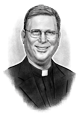
Fr. Jerry Pokorsky is a priest of the Diocese of Arlington who has also served as a financial administrator in the Diocese of Lincoln. Trained in business and accounting, he also holds a Master of Divinity and a Master’s in moral theology. Father Pokorsky co-founded both CREDO and Adoremus, two organizations deeply engaged in authentic liturgical renewal. He writes regularly for a number of Catholic websites and magazines. See full bio.
All comments are moderated. To lighten our editing burden, only current donors are allowed to Sound Off. If you are a current donor, log in to see the comment form; otherwise please support our work, and Sound Off!