December 2020 - Overview for the Month
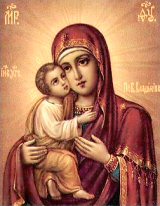
Our Lady of Guadalupe
 Mary,
who was "intimately united with the birth of the Church in America,
became the radiant Star illuminating the proclamation of Christ
the Saviour to the sons of these nations." — John Paul
II
Mary,
who was "intimately united with the birth of the Church in America,
became the radiant Star illuminating the proclamation of Christ
the Saviour to the sons of these nations." — John Paul
II 


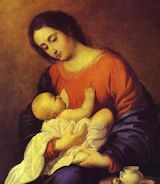
The month of December is dedicated to the Immaculate Conception. The first 24 days of December fall during the liturgical season known as of Advent and are represented by the liturgical color purple — a symbol of penance, mortification and the sorrow of a contrite heart. The remaining days of December mark the beginning of the Christmas season. The liturgical color changes to white or gold — a symbol of joy, purity and innocence.
For a life of prayer: We pray that our personal relationship with Jesus Christ be nourished by the Word of God and a life of prayer
(See also http://popesprayerusa.net/)
The feasts on the General Roman Calendar celebrated during the month of December are:
3. Francis Xavier, Memorial
6. SECOND SUNDAY OF ADVENT, Sunday
7. Ambrose, Memorial
8. IMMACULATE CONCEPTION OF MARY, Solemnity
9. Juan Diego (USA) , Opt. Mem.
11. Damasus I, Opt. Mem.
12. Our Lady of Guadalupe (USA), Feast
13. THIRD SUNDAY OF ADVENT, GAUDETE SUNDAY, Sunday
14. John of the Cross, Memorial
20. FOURTH SUNDAY OF ADVENT, Sunday
21. Peter Canisius; O Dayspring, Opt. Mem.
23. John of Kanty; O Emmanuel; Ember Saturday, Opt. Mem.
25. NATIVITY OF THE LORD (Christmas), Solemnity
26. Stephen, Feast
27. Feast of the Holy Family, Feast
28. Holy Innocents, Feast
29. 5th Day in the Octave of Christmas; Thomas Becket, Opt. Mem.
31. 7th Day in the Octave of Christmas; Sylvester I , Opt. Mem.
The Gospels for the Sundays in December are taken from St. Mark, St. Luke and St. John are from Year B, Cycle 1 of the readings.
December 6th -2nd Sunday in Advent |
The Gospel is about John the Baptist preaching in the wilderness. |
December 13th - 3rd Sunday in Advent |
The crowds question St. John the Baptist asking him who he is. |
December 20th - 4th Sunday in Advent |
This Gospel recounts the story of the Angel Gabriel's appearance to Zechariah in the temple. |
December 27th - Holy Family |
This Gospel recounts the prophecy of Simeon. |
 The
liturgy of Advent
focuses on remembering Christ's first coming at Bethlehem which
then directs our mind to Christ's Second Coming at the end of time.
The readings focus on the people of the Old Testament awaiting
the Messiah, John the Baptist, heralding the way for Christ and
the Blessed Virgin Mary and her maternal preparations.
The
liturgy of Advent
focuses on remembering Christ's first coming at Bethlehem which
then directs our mind to Christ's Second Coming at the end of time.
The readings focus on the people of the Old Testament awaiting
the Messiah, John the Baptist, heralding the way for Christ and
the Blessed Virgin Mary and her maternal preparations.
The main Feasts of Advent are St. Francis Xavier (December 3), St. John Damascene, (December 4), St. Ambrose (December 7), Immaculate Conception (December 8), St. Juan Diego (December 9), St. Damascus (December 11), Our Lady of Guadalupe (December 12), St. John of the Cross (December 14), St. Peter Canisius (December 21) and St. John of Kanty (December 23).
Christmastide begins with the First Vespers (Evening Prayer) of Christmas on December 24th and ends on the Sunday after Epiphany. Christmas and Easter are the only solemnities with octaves attached in the revised calendar. The Christmas octave differs from Easter in that it includes some major feasts: St. Stephen (December 26), the Holy Innocents (December 28), St. Thomas Becket (December 29) and St. Sylvester I (December 31). The octave closes on January 1, the Solemnity of Mary, Mother of God.
The feasts of St. Nicholas (December 6), St. Lucy (December 13) and St. John the Evangelist (December 27) are superseded by the Sunday liturgy.
 The month of December is filled with expectation and celebration. Preparation
is the key word for the first 24 days of December. Everyone is getting
ready for Christmas — shopping and decorating, baking and
cleaning. Too often, however, we are so busy with the material preparations
that we lose sight of the real reason for our activity.
The month of December is filled with expectation and celebration. Preparation
is the key word for the first 24 days of December. Everyone is getting
ready for Christmas — shopping and decorating, baking and
cleaning. Too often, however, we are so busy with the material preparations
that we lose sight of the real reason for our activity.
Christmas is a Christian feast — and we must reclaim it as such! In the same way that a family eagerly prepares for a baby, so in Advent should we prepare for the coming of the Christ Child. We should keep Advent as a season of waiting and longing, of conversion and of hope and keep our thoughts on the incredible love and humility of our God in taking on the flesh of the Virgin Mary. Let us not forget to prepare a peaceful place in our hearts wherein our Savior may come to dwell.
The best person we can turn to for help during Advent is Mary, Christ's and our Mother. She awaited the day of His birth with more eagerness than any other human being. Her preparation was complete in every respect. Let's crown our preparation and borrow something of Mary's prayerfulness, her purity and whole-hearted submission to God's will.