August 2021 - Overview for the Month
 On
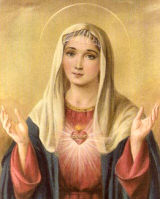
November 1, 1950, Pope Pius XII defined the dogma of the Assumption.
He solemnly proclaimed that the belief whereby the Blessed Virgin
Mary, at the end of her life on earth, was taken up body and soul,
into the glory of heaven, definitively forms part of the deposit
of faith, received from the apostles.
On
November 1, 1950, Pope Pius XII defined the dogma of the Assumption.
He solemnly proclaimed that the belief whereby the Blessed Virgin
Mary, at the end of her life on earth, was taken up body and soul,
into the glory of heaven, definitively forms part of the deposit
of faith, received from the apostles.


The month of August is dedicated to The Immaculate Heart of Mary. The entire month falls within the liturgical season of Ordinary Time, which is represented by the liturgical color green. This symbol of hope is the color of the sprouting seed and arouses in the faithful the hope of reaping the eternal harvest of heaven, especially the hope of a glorious resurrection. It is used in the offices and Masses of Ordinary Time.
The Church: Let us pray for the Church, that she may receive from the Holy Spirit the grace and strength to reform herself in the light of the Gospel. (See also Pope's Worldwide Prayer Network)
The feasts on the General Roman Calendar celebrated
during the month of August are:
1. EIGHTEENTH SUNDAY IN ORDINARY TIME,
Sunday
2. Eusebius of Vercelli; Peter Julian Eymard,
Opt. Mem.
4. John Vianney,
Memorial
5. Dedication of St. Mary Major,
Opt. Mem.
6. Transfiguration,
Feast
7. Sixtus II and companions; Cajetan,
Opt. Mem.
8. NINETEENTH SUNDAY IN ORDINARY TIME,
Sunday
9. Teresa Benedicta of the Cross,
Opt. Mem.
10. St. Lawrence,
Feast
11. Clare,
Memorial
12. Jane Frances de Chantal,
Opt. Mem.
13. Pontian and Hippolytus,
Opt. Mem.
14. Maximilian Kolbe,
Memorial
15. ASSUMPTION OF MARY,
Solemnity
16. Stephen of Hungary,
Opt. Mem.
19. John Eudes,
Opt. Mem.
20. Bernard,
Memorial
21. Pius X,
Memorial
22. TWENTY-FIRST SUNDAY IN ORDINARY TIME,
Sunday
23. Rose of Lima,
Opt. Mem.
24. Bartholomew, Apostle,
Feast
25. Louis IX of France; Joseph Calasanz,
Opt. Mem.
27. Monica,
Memorial
28. Augustine,
Memorial
29. TWENTY-SECOND SUNDAY IN ORDINARY TIME,
Sunday
The Gospel readings for the Sundays in August 2021 are taken from St. John, St. Luke and St. Mark and are from Year B, Cycle 1.
August
1st - 18th Sunday of Ordinary Time |
Jesus said in this Gospel, "I am the bread of life; whoever comes to me will never hunger, and whoever believes in me will never thirst.” |
August 8th - 19th Sunday of Ordinary Time |
"I am the living bread that came down from heaven; whoever eats this bread will live forever; and the bread that I will give is my flesh for the life of the world." |
August 15th - The Assumption |
The Gospel relates the encounter of Mary with St. Elizabeth and Mary's Magnificat. |
August 22nd - 21st Sunday of Ordinary Time |
In this Gospel, Peter tells Jesus, "You have the words of eternal life. We have come to believe and are convinced that you are the Holy One of God." |
August 29h - 22nd Sunday of Ordinary Time |
Jesus admonishes the pharisees. |
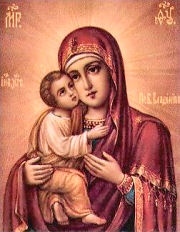 August
is often considered the transitional month in our seasonal calendar.
It is the time of the year we begin to wind-down from our summer
travels and vacations and prepare for Autumn — back to school,
fall festivals, harvest time, etc. The Church in her holy wisdom
has provided a cycle of events in its liturgical year which allow
the faithful to celebrate the major feasts in the life of Christ
and Mary. Most notably, during August, we celebrate the feast of
the Transfiguration (August 6) and the feast of the Assumption (August 15).
August
is often considered the transitional month in our seasonal calendar.
It is the time of the year we begin to wind-down from our summer
travels and vacations and prepare for Autumn — back to school,
fall festivals, harvest time, etc. The Church in her holy wisdom
has provided a cycle of events in its liturgical year which allow
the faithful to celebrate the major feasts in the life of Christ
and Mary. Most notably, during August, we celebrate the feast of
the Transfiguration (August 6) and the feast of the Assumption (August 15).
The other main feasts of this month are St. Eusebius of Vercelli and St. Peter Julian Eymard (August 2), St. John Mary Vianney (August 4), Dedication of St. Mary Major (August 5), Transfiguration of the Lord (August 6), St. Sixtus II and Companions and St. Cajetan (August 7), St. Teresa Benedicta (August 9), St. Lawrence (August 10), St. Clare (August 11), St. Jane Frances de Chantal (August 12), St. Maximilian Kolbe (August 14), St. Stephen of Hungary (August 16), St. John Eudes (August 19), St. Bernard (August 20), St. Pius X (August 21), St. Rose of Lima (August 23), St. Bartholomew (August 24), St. Louis of France (August 25), St. Monica (August 27), St. Augustine (August 28)
The feasts of St. Alphonsus Liguori (August 1), St. Dominic (August 8), the Queenship of Mary (August 22), and the Martyrdom of St. John the Baptist (August 29) fall on a Sunday so they are superseded by the Sunday Liturgy and the Liturgy of the Assumption.
 The
days of summer have provided a welcome change of pace. However,
while vacations afford us the time to relax and refresh, the change
of habits and routines can also have a negative impact on our spiritual
lives. As if to re-ignite us, the Church offers us in the plethora
of August feasts vivid examples of the virtue of perseverance:
six martyrs — two who are named in Canon I of the Mass and
two who were martyred during World War II; seven founders of religious
congregations, as well as three popes and two kings; the apostle,
St. Bartholomew; the great Doctor of the Church, St. Augustine and
St. Monica, his mother; the humble patron saint of parish priests,
St. John Vianney, and the patron of deacons, St. Lawrence, who joked
with his executioners while being roasted alive.
The
days of summer have provided a welcome change of pace. However,
while vacations afford us the time to relax and refresh, the change
of habits and routines can also have a negative impact on our spiritual
lives. As if to re-ignite us, the Church offers us in the plethora
of August feasts vivid examples of the virtue of perseverance:
six martyrs — two who are named in Canon I of the Mass and
two who were martyred during World War II; seven founders of religious
congregations, as well as three popes and two kings; the apostle,
St. Bartholomew; the great Doctor of the Church, St. Augustine and
St. Monica, his mother; the humble patron saint of parish priests,
St. John Vianney, and the patron of deacons, St. Lawrence, who joked
with his executioners while being roasted alive.
It is never too late to begin — as the life of the reformed sinner, St. Augustine teaches us — nor too difficult to begin again, as demonstrated by the conversion of the martyr, St. Teresa Benedicta (Edith Stein). We present-day members of the Mystical Body are certain of the reward to which we are called, for Christ's Transfigured body (August 6) is a preview of that glory. Moreover, in the Assumption of his Mother (August 15), Our Lord has demonstrated his fidelity to his promise. Her privilege is "the highest fruit of the Redemption" and "our consoling assurance of the coming of our final hope — the glorification which is Christ's" (Enchiridion on Indulgences).
The Blessed Virgin Mary is the most perfect example of Christian perseverance, but she is also our advocate in heaven where she is crowned Queen of Heaven and Earth (August 22). Mary is the "Mother of Perpetual Help", the patroness of the Congregation founded by St. Alphonsus Liguori (August 1). "No one who has fled to her protection is left unaided" is the claim of the Memorare of St. Bernard (August 20). Heretics have returned to the faith by the prayers of her Rosary, first preached by St. Dominic (August 8) in the twelfth Century, and hearts have been converted by the graces received while wearing her Miraculous Medal, promoted by St. Maximillian Kolbe (August 14) and adopted as the "badge" for the Pious Union he founded. Hail, holy Queen, Mother of Mercy, our life, our sweetness and our hope!