January 2021 - Overview for the Month
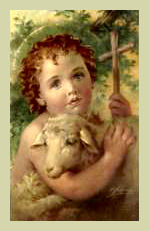
Mary Mother of God
 It
is through the virginal Motherhood of Mary that the Word was made
flesh. In adoring the Son of God made man in the Child of Bethlehem,
we recognize that Mary is the Mother of God. — Magnificat
It
is through the virginal Motherhood of Mary that the Word was made
flesh. In adoring the Son of God made man in the Child of Bethlehem,
we recognize that Mary is the Mother of God. — Magnificat 


The month of January is dedicated to the Holy Name of Jesus, which is celebrated on January 3. The first ten days of January fall during the liturgical season known as Christmas which is represented by the liturgical color white � the color of light, a symbol of joy, purity and innocence (absolute or restored). The remaining days of January are the beginning of Ordinary Time, which is represented by the liturgical color green. This symbol of hope is the color of the sprouting seed and arouses in the faithful the hope of reaping the eternal harvest of heaven, especially the hope of a glorious resurrection. It is used in the offices and Masses of Ordinary Time.
Intention for evangelization - Human fraternity: May the Lord give us the grace to live in full fellowship with our brothers and sisters of other religions, praying for one another, open to all. (See also Apostleship of Prayer)
The feasts on the General Roman Calendar celebrated during the month of January are:
1. MARY, MOTHER OF GOD, OCTAVE DAY OF CHRISTMAS,Solemnity
2. Basil the Great; Gregory Nazianzen,Memorial
3. EPIPHANY OF THE LORD,Solemnity
4. Elizabeth Ann Seton (USA and CAN),Memorial
5. John Neumann,Memorial
6. Saturday of Christmas Time; André Bessette (USA) ,Opt. Mem.
7. Saturday of Christmas Time; Raymond of Peñafort,Opt. Mem.
10. Baptism of the Lord,Feast
13. Hilary,Opt. Mem.
17. SECOND SUNDAY IN ORDINARY TIME,Sunday
20. Fabian; Sebastian,Opt. Mem.
21. Agnes,Memorial
22. Day of Prayer for Unborn (USA),Opt. Mem.
23. Vincent of Saragossa (US), Marianne Cope (US),Opt. Mem.
24. THIRD SUNDAY IN ORDINARY TIME, (Sunday of the Word of God),Sunday
25. Conversion of St. Paul the Apostle,Feast
26. Timothy and Titus,Memorial
27. Angela Merici,Opt. Mem.
28. Thomas Aquinas,Memorial
31. FOURTH SUNDAY IN ORDINARY TIME,Sunday
January 3rd - Epiphany of the Lord |
This Gospel is about the Wise Kings visit to the Christ Child. |
January 10th - Baptism of the Lord |
This Gospel is about Jesus' baptism by John in the Jordan. |
January 17th - 2nd Sunday in Ordinary Time |
In this Gospel, Jesus says to Peter, "You are Simon the son of John; you will be called Cephas" |
January 24th - 3rd Sunday in Ordinary Time |
In this Gospel, Jesus calls Peter and Andrew to be fishers of men. |
January 31st - 4th Sunday in Ordinary Time |
Jesus frees the man with the unclean spirit. |
 In the first part of January we continue to rejoice and celebrate Christ's coming at Bethlehem and in our hearts. We have the wonderful feasts of Mary, Mother of God, where we honor Mary's highest title, and then we follow the Magi to the crib as they bring their gifts of gold, frankincense and myrrh on Epiphany. Finally we reach the culmination of this season with the Baptism of Our Lord by St. John the Baptist. With a touch of sadness we take down our decorations and enter into the liturgical period known as Ordinary Time where we will devote ourselves to the mystery of Christ in its entirety.
This is a time of growth and an opportunity to allow the dignity of Sunday to shine forth prolonging the joy of Easter and Pentecost. Besides those previously mentioned the month's major feasts include: Mary Mother of God (January 1), St. Basil the Great and St. Gregory Nazianzen (January 2), St. Elizabeth Ann Seton (January 4), St. John Neumann (January 5), St. Andre Bessette (January 6), St. Raymond of Penafort (January 7), Sts. Fabian and Sebastian (January 20), St. Agnes (January 21), St. Vincent of Saragossa (January 23), the Conversion of St. Paul (January 25), Sts. Timothy and Titus (January 26), St. Angela Merici (January 27), and St. Thomas Aquinas (January 28).
The feasts of Holy Name of Jesus (January 3), St. Anthony, abbot (January 17), St. Francis de Sales (January 24) and St. John Bosco (January 31) are superseded by the Sunday liturgy.
 The opening days of January may be cold and nature bleak, but the domestic church still glows warm with the peace and joy of Christmas. We dedicate the New Year to Mary on the January 1st Solemnity honoring her as Mother of God; and on January 7, the Solemnity of Epiphany, we rejoice with her, as her Son is adored by the three Wise Men.
Herald John, who ushered in the Advent season, is present once again to close Christmastide on the feast of the Baptism of Our Lord (The First Luminous Mystery), and to open the Season of Ordinary Time. He points to Jesus, the Lamb of God who unites time and eternity in the Eucharistic Sacrifice, and even January�s diminishing darkness seems to echo St. John�s prayer: �He must increase and I must decrease.�
In this liturgical season the Church eagerly follows Our Lord as he gathers his apostles and announces his mission. At Cana�s wedding feast (The Second Luminous Mystery) he performs his first public miracle at the request of his Mother, and his disciples saw his glory and believed in him.
We, his present-day disciples pray for a like faith as we contemplate the eternal wedding feast of the Lamb and the unique role of the Blessed Mother in the plan of salvation. May we wholeheartedly obey her words of counsel: �Do whatever he tells you.�