Catholic World News News Feature
Papal reflections on the purpose of the university December 01, 2008
Pope Benedict XVI spoke about his own life in academic surroundings, and about the purpose of higher education, during a December 1 meeting with university student and faculty members from Parma, Italy.
The Holy Father reminded his visitors that he had spent years as a university professor and loved the academic life. (During his long tenure as prefect of the Congregation for the Doctrine of the Faith, then-Cardinal Joseph Ratzinger had made no secret of his wish to retire from that Vatican post and return to academic life.) The Pope said that he still does his best to keep abreast of scholarly affairs.
Noting the current calls for reform of higher education in Italy, the Pontiff said that an effective reform would require more than technical improvements; it would entail a serious reflection on the purpose of the university. The university, Pope Benedict said, exists not merely to sponsor research but also to provide a setting for deep reflections on the fundamental questions of human life.
Today's universities put such emphasis on research and the acquisition of knowledge that they may not allow students and faculty members the opportunity for that necessary reflection, the Pope continued. At the same time, he said, the rise of technology creates a parallel danger: that students will become isolated, divorced from everyday reality because of the urgent demands of "an increasingly virtual reality." When that happens, he said, the denizens of academe cease to have "constructive relations with others."
Academic life should provide some solitude for scholarly reflection, the Pope said. But that solitude should not mean isolation from human contact. He argued that the purpose of academic life and the justification for academic freedom is to further the search for truth. That search benefits society, the Pope said, and thus the extraordinary privileges of academic life are granted to scholars so that they can serve society at large.
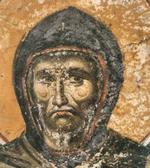
Pope Benedict devoted a substantial portion of his talk to the life of St. Peter Damian, the great Catholic reformer of the 11th century. St. Peter Damian, who studied and taught at the University of Parma, then became a hermit and a cloistered monk. Thus the saint was keenly aware of the benefits of isolation and contemplation, the Pope observed; yet he never ceased to pray and to act for the good of society. St. Peter Damian was a key figure in reforms that addressed corruption within the Church, notably including an epidemic of sexual immorality within the clergy. Later in life St. Peter Damian became a bishop, a cardinal, and a representative of the Holy See in several critical negotiations. He is now recognized as a Doctor of the Church.
Pope Benedict observed pointedly that the problems that faced St. Peter Damian are remarkably similar to the problems of the Church today. The problems of academic life are similar too, he said, and today's Catholic educators should learn from the 11th-century saint as they reflect on the need for the university to embrace the cause of truth and to guard against the pressures of relativism, convention, and convenience.